
🦴 Orthopaedic Insights — Cargo Medi Distributors
Bone Healing &
Individualised
Implant Choice.
A good outcome is not always a pretty X-ray. Why informed implant decisions go further than a pretty reduction.
Scroll
"In the OR, the most important question is not always 'can I fix this?' — it is: what does this fracture need to heal?"
The answer depends on four things working together. Get those four right, and the implant choice becomes clear. Get them wrong, and even a textbook fixation can fail. This week, we unpack the science behind individualised implant selection — and why the decision behind the implant determines the outcome.
The Four Determinants
What Every Fracture Needs
Before Implant Selection
01 / 04
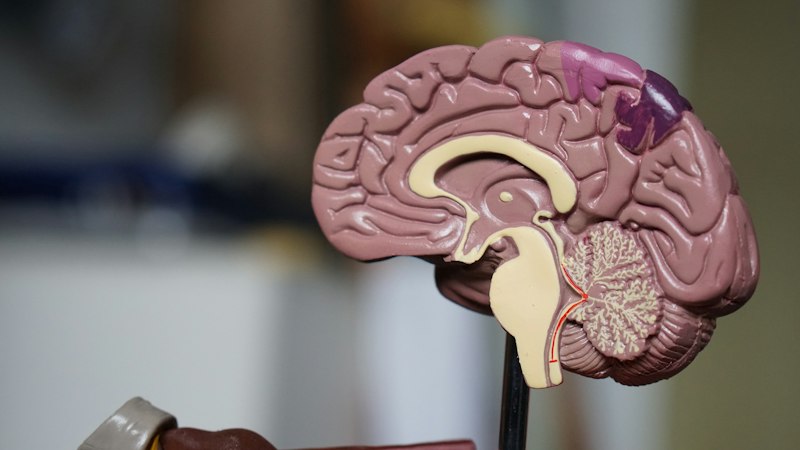
Bone Quality
Osteoporotic bone cannot grip a standard cortical screw the way healthy bone can. In poor bone quality, locking screws that achieve fixed-angle stability become essential — not optional. The implant must compensate for what the bone cannot provide. This is where variable-angle locking technology becomes a genuine clinical advantage.
02 / 04
Soft-Tissue Status
Soft tissue is the biological envelope that keeps the fracture alive. Extensive stripping in the pursuit of perfect reduction can devascularise fragments and destroy the healing environment. Sometimes preserving biology matters more than achieving anatomic reduction — a principle that shapes every surgical approach.
03 / 04
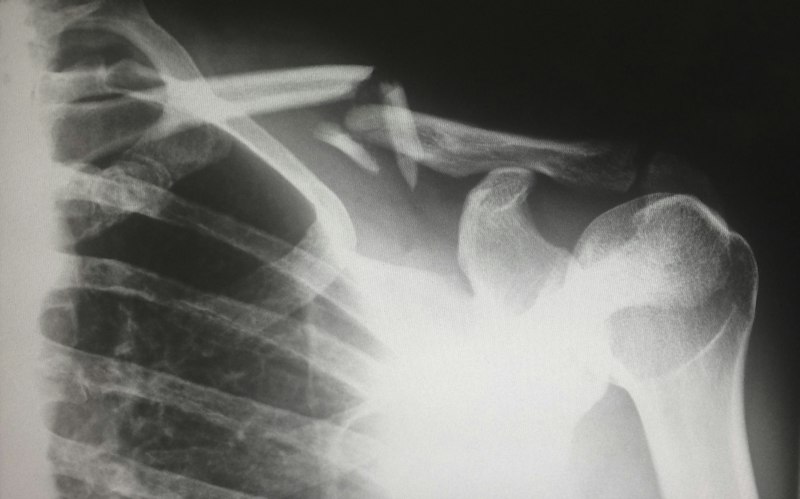
Fracture Location
Diaphyseal, metaphyseal, periarticular — each location carries different mechanical demands, different blood supply, and different tolerance for implant positioning. A plate that works perfectly at the diaphysis may be the wrong answer at the metaphysis. Location determines the rules of the game.

04 / 04
Absolute vs Relative Stability
Absolute stability — achieved through compression — eliminates interfragmentary motion and drives direct primary bone healing. Relative stability — achieved through bridging — allows controlled micromotion and drives indirect healing through callus formation. Choosing the wrong stability goal is one of the most common causes of fixation failure.
Stability Principles
Absolute vs Relative Stability —
Understanding the Difference
Absolute Stability
Compression Fixation
Achieved through interfragmentary lag screws or compression plates that eliminate movement between fragments entirely.
Result: Direct primary bone healing with no visible callus. Ideal for simple, transverse fracture patterns in good bone stock.
Relative Stability
Bridging / Splinting
Achieved by spanning the fracture zone with a plate that controls — but does not eliminate — micromotion between fragments.
Result: Indirect healing via callus formation. Biologically robust. Preferred for comminuted, osteoporotic, or multifragmentary patterns.
Clinical Context
Distal Radius Fractures —
Why the Right Implant Matters
Distal radius fractures account for approximately 1 in 6 of all fractures treated in emergency departments worldwide. Inadequate fixation or malunion can lead to chronic pain, loss of wrist motion, and long-term disability. Surgical fixation with a volar locking plate is now the gold standard — but the plate must support the individual decision.
Explore Our Implant Range →Product Spotlight
VA Distal Radius Variable Angle Plate —
Built for Individualised Decisions
4 Plate Sizes
Available in 3, 4, 5 and 7 hole configurations — matched to fracture pattern and patient anatomy for a precise fit every time.
Variable Angle Locking
VA locking screws angled within a defined range — directing screws away from fracture lines and toward the strongest available bone.
2.7mm Unified Screw System
One diameter for cortical and VA locking screws — simplifying instrumentation and reducing intraoperative complexity significantly.
Full Titanium Construction
Lightweight, exceptionally strong, and fully biocompatible — with excellent MRI and CT compatibility for reliable post-operative imaging.
K-Wire Positioning Holes
1.4mm K-wire holes allow accurate temporary plate positioning before final screw fixation — improving accuracy and surgical efficiency.
Marked R & L
Clearly engraved right and left markings on every plate — eliminating any risk of wrong-side implant placement in theatre.

Our Commitment
"The implant does not determine the outcome. The decision behind the implant does."
At Cargo Medi Distributors, we provide orthopaedic implants that support individualised, evidence-based fixation decisions across South Africa. Our VA Distal Radius Variable Angle Plate is designed to give surgeons the flexibility, precision, and confidence to make the right decision for every patient — not just a technically acceptable one.
Ready to Choose the Right Implant?
Contact Cargo Medi Distributors today and get the VA Distal Radius Variable Angle Plate into your hands.
Get In Touch
📍 Address
1 Leeu Street, Louis Trichardt
Limpopo, 0920
Limpopo, 0920