

There is an instrument used in C-section surgery that does not always receive the attention it deserves. But in the hands of a skilled surgical team, it quietly changes everything about how safely a procedure unfolds. That instrument is the wound protector — and its role is far greater than its name suggests.
Caesarean sections are among the most performed major surgical procedures in the world. According to the World Health Organization, C-section rates have been rising globally, accounting for more than 21% of all births — a number that continues to increase year on year. In South Africa, the rate is even higher, with certain private hospitals reporting rates above 70%. Yet the conversation around surgical safety in the theatre — the tools, the protocols, the layers of protection that surround the mother — does not always keep pace with those numbers.
This post is about changing that conversation. One instrument at a time.
The Surgical Landscape of a C-Section
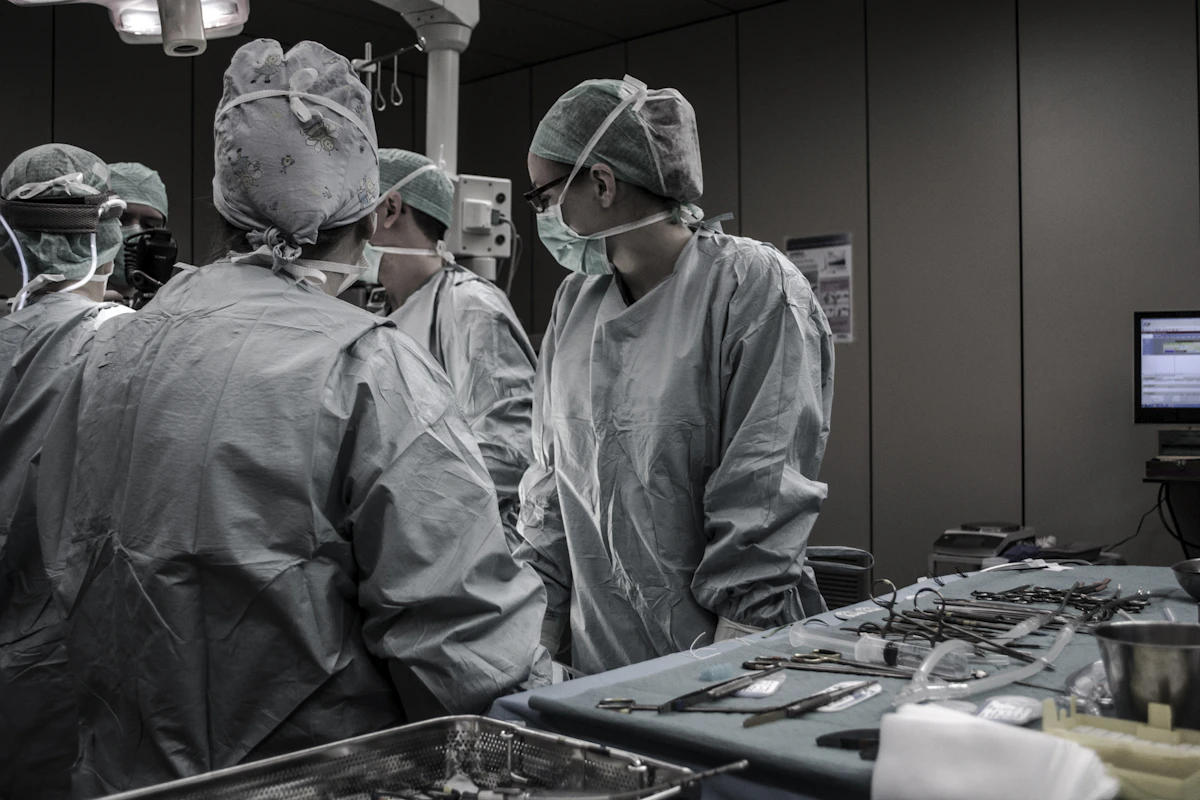
During a Caesarean section, the surgeon is working inside a confined space surrounded by delicate and vital structures. The uterus. The bladder. The bowel. Every movement matters. Every degree of visibility matters. And anything that compromises the surgeon's ability to see clearly or move freely represents a direct risk to the mother on the table.

Unlike many elective surgeries, a C-section is often time-sensitive. Whether planned or emergent, the team must work quickly and accurately. The margins for error are narrow. The cost of a compromised view or an obstructed operative field is not abstract — it is measured in outcomes for the mother and the newborn.
This is where the wound protector earns its place in the surgical tray.
Wound protectors are retraction devices designed to gently hold the edges of a surgical incision open throughout a procedure. They are placed at the start of the operation, seated against the wound edges, and remain in position until the closure phase begins. Their design — typically a flexible cylindrical retractor or a dual-ring system with a protective sleeve — achieves something that manual retraction simply cannot do as consistently: atraumatic, controlled, sustained retraction with simultaneous contamination protection.
What "Atraumatic" Actually Means for the Mother
The word atraumatic carries significant clinical weight. It means the tissue is not crushed, torn, sheared, or mechanically stressed by the retraction process. The mother's body is being held open — but it is being held open with respect.
Traditional retraction methods, including manual retraction by a second surgical assistant using conventional retractors, apply focal pressure to wound edges. Over the course of an operation, this pressure causes micro-injury to tissue, increases post-operative pain, extends recovery time, and compromises the tissue's integrity at the moment of closure. Every stitch placed into stressed tissue is a less reliable stitch.

A wound protector distributes retraction evenly across the circumference of the incision. No single point of the tissue bears the full mechanical load. The result is a wound edge that is held open cleanly, that sustains less intra-operative injury, and that is in better condition when it is time to close.
The mother's body is being held open — but it is being held open with respect.
Unobstructed Visibility: The Surgeon's Most Critical Asset
With the wound edges retracted cleanly and securely, the surgeon gains something absolutely critical in a C-section: an unobstructed, consistent view of the surgical field.
The practical impact of this should not be underestimated. A clear, open view means the team can see exactly what they are working with at every stage of the procedure. Surrounding organs are visible. Anatomical landmarks are identifiable. Unexpected findings — adhesions, anomalies, unusual presentations — can be recognised and responded to in real time rather than discovered too late.
- ✦ Consistent retraction — wound edges remain open throughout the procedure without requiring a dedicated surgical assistant for the task.
- ✦ 360° visibility — the dual-ring design creates a circular aperture that gives the surgeon a comprehensive view of the operative field from any angle.
- ✦ Freedom of movement — when wound management is handled by the device, the surgeon's hands and focus are entirely available for the procedure itself.
- ✦ Reduced cognitive load — surgical attention is not divided between managing the wound and performing the operation.
- ✦ Better team coordination — with fewer personnel required to manage retraction mechanically, the surgical team can focus on their respective roles without overlap.
Research published in the British Medical Journal has consistently demonstrated that surgical field visibility is one of the most significant factors in operative safety. When a surgeon cannot clearly see what they are working with, the risk of inadvertent injury to surrounding structures — including the bladder, which sits in close proximity to the uterus during a C-section — increases substantially.
The Infection Problem — and Why It Matters After the Delivery
There is another layer of protection that is often discussed in clinical literature but rarely reaches the broader maternal health conversation: surgical site infection prevention.
Surgical site infections (SSIs) are among the most common and most serious complications following a Caesarean section. They cause significant maternal morbidity, extend hospitalisation, increase the use of antibiotics, and in severe cases, can become life-threatening. In low- and middle-income contexts — including many settings across South Africa — SSIs following C-section place an enormous burden on both patients and healthcare systems.
A landmark meta-analysis published in The Lancet examined the use of wound protectors across multiple surgical specialties and found a statistically significant reduction in surgical site infection rates — up to 45% — when a wound protector was used compared to procedures without one.
The mechanism is straightforward. The protective sleeve of the wound protector creates a physical barrier between the incision edges and the surrounding operative environment. Bacterial contamination — from skin flora, from bowel content in proximity to the field, from the environment itself — is significantly reduced. The wound edges are not exposed to the broader surgical environment in the same way they would be without the device.
Clinical evidence summary: Multiple randomised controlled trials, including those referenced in the Cochrane Library, confirm that wound protectors reduce surgical site infection rates across abdominal procedures. Their use in C-sections is supported by both the infection reduction data and the specific anatomical challenges of the procedure.
The C-Section Drape: The Other Layer of Protection
The wound protector does not work in isolation. It is part of a broader sterile field architecture that is established before the first incision is made. The C-section drape plays an equally critical role in that architecture.
A purpose-designed C-section drape creates a complete sterile field around the operative site. It defines where the sterile zone begins and ends. It prevents contamination from non-sterile surfaces and areas. It manages fluid drainage during the procedure. And it provides a controlled environment within which the entire surgical team can operate with confidence.
Together — the wound protector managing the incision itself, and the C-section drape managing the broader sterile field — they address the two things that matter most in theatre: protecting the mother from harm, and giving the surgical team every possible advantage to do their job safely.
In a procedure where two lives are at stake, unobstructed vision, tissue protection, sterility, and infection control are not optional extras. They are the standard every mother deserves.
Maternal Deaths Are Preventable. Safer C-Sections Save Lives.
South Africa's maternal mortality ratio remains unacceptably high. The South African Department of Health's Saving Mothers reports have consistently identified avoidable factors in maternal deaths — including complications arising from surgical procedures, post-operative infections, and intra-operative haemorrhage or injury.
Many of these outcomes are preventable. Not through dramatic intervention, but through the consistent application of evidence-based tools and protocols at every level of care. The wound protector is one of those tools. The C-section drape is another. Their combined use represents a standard of care that is achievable, sustainable, and clinically justified.
The WHO's Global Strategy for Women's, Children's and Adolescents' Health places maternal safety at the centre of the global health agenda. Locally, every theatre that equips its surgical teams with the right instruments is contributing to that goal — not in an abstract policy sense, but in the most direct and tangible way possible: a mother who goes in, and comes out safely.

The Lancet — Wound Protectors and SSI Reduction (Meta-Analysis)
PubMed / NCBI — Retraction Devices in Abdominal Surgery
Cochrane Library — Systematic Reviews, Wound Protectors
WHO — Global Strategy for Women's, Children's and Adolescents' Health
South African Department of Health — Saving Mothers Reports
Supplying the Standard Every Mother Deserves
At Cargo Medi Distributors, we supply wound protectors and C-section drapes to surgical teams across South Africa. Because every mother who walks into theatre deserves to walk out safely.
Contact Our TeamTopics